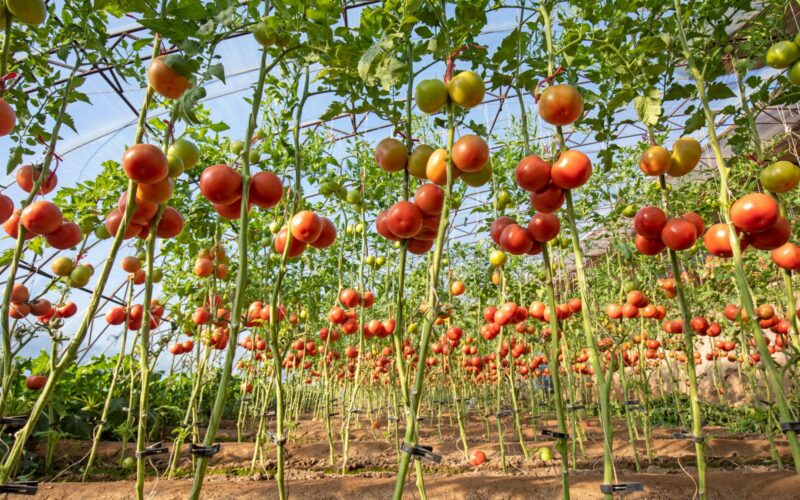

You do not need a shelf full of chemical sprays to protect a home garden. Most pest problems can be solved with a sharp eye, a soap spray, and a couple of physical barriers. Here is a beginner-friendly playbook that keeps you off the chemical treadmill.
Identify before treating
The biggest mistake is spraying first. Spend two minutes inspecting the underside of leaves before you do anything.
- Tiny clusters under leaves: aphids.
- Silver trails on leaves: slugs or snails.
- Holes with ragged edges: caterpillars or beetles.
- Stippled, dusty look: spider mites.
Soap spray basics
A simple insecticidal soap solution kills soft-bodied pests like aphids, mites, and whiteflies on contact and breaks down quickly.
Recipe
- 1 quart water
- 1 teaspoon mild liquid soap (not detergent, not antibacterial)
- Optional: 1 teaspoon vegetable oil for stickier coverage
When to spray
- Spray in the early morning or evening when bees are not active.
- Hit both sides of the leaves until they are wet but not dripping.
- Repeat every 3–5 days for two weeks.
What to avoid
- Hot midday sun — leaves can burn.
- Stressed, wilting plants — let them recover first.
- Open blossoms — protect pollinators by spraying around them.
Physical pest barriers
- Row covers: Lightweight fabric over hoops keeps cabbage moths off brassicas.
- Copper tape: A strip around pots or beds repels slugs.
- Diatomaceous earth: A dry sprinkle around plants for crawling pests; reapply after rain.
- Sticky traps: Yellow cards trap whiteflies and fungus gnats indoors and out.
Practical tips
- Inspect plants twice a week — early detection is half the battle.
- Squish small infestations with gloved fingers before reaching for spray.
- Encourage ladybugs and lacewings by planting alyssum, dill, and yarrow nearby.
FAQ
Is neem oil safe? Generally yes, but follow label instructions and avoid spraying when bees are foraging.
Why are my homemade sprays not working? Most likely you missed the underside of leaves or stopped too soon. Pest control is a routine, not a one-time event.
Conclusion
The best pest control is observation plus a small, consistent routine. Pair this guide with our gardening hacks pillar and your plants will spend more time growing and less time recovering.