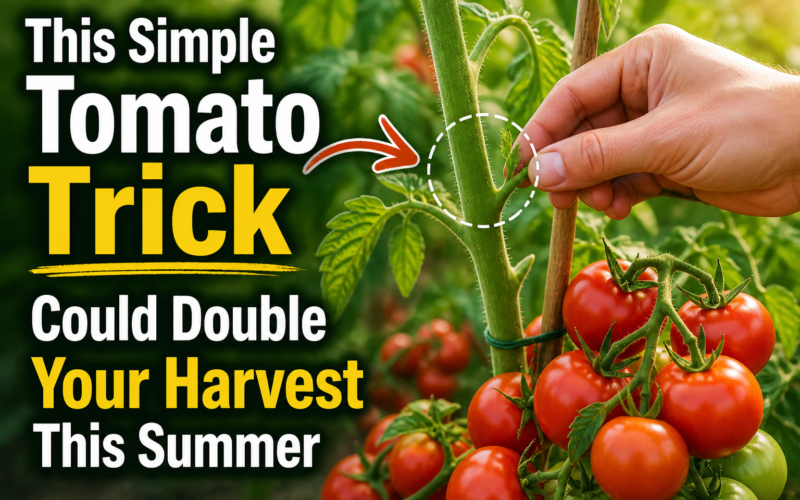

If you can grow tomatoes and lettuce in your first season, you can grow nearly anything. The trick is starting with a small, sunny bed and a short list of beginner-friendly crops. This guide walks you through the whole journey: choosing a spot, building soil, planning crops, watering, and harvesting.
Choose the right location
- Most vegetables need 6–8 hours of direct sun daily.
- Pick a level, well-drained spot near a hose connection.
- Start small: 4×8 feet is plenty for a first bed.
Build healthy soil
Compost
Add 2–3 inches of compost on top of your bed before planting. It feeds plants slowly and improves both sandy and clay soil.
Soil testing
- A simple home test kit reveals pH and basic nutrients.
- Most vegetables prefer pH 6.0–7.0.
- If pH is too low, add lime; too high, add sulfur or peat.
Plan your crops
Cool season
Plant in early spring or fall: lettuce, spinach, kale, peas, radishes, carrots.
Warm season
Plant after your last frost: tomatoes, peppers, beans, cucumbers, squash, basil.
- Group plants with similar water needs together.
- Leave room — overcrowded plants get sick easily.
- Stagger lettuce plantings every 2 weeks for continuous harvest.
Watering and mulching
- Aim for about 1 inch of water per week, including rain.
- Water deeply once or twice a week, not lightly every day.
- Mulch with straw or shredded leaves to keep soil moist and weeds down.
Harvesting
- Pick often — frequent harvest tells plants to keep producing.
- Harvest early in the morning when veggies are crispest.
- Use scissors or pruners to avoid tearing stems.
Practical tips
- Keep a simple journal: what you planted, when, and how it did.
- Walk through your garden daily — you’ll catch problems before they spread.
- Don’t try to grow 20 crops year one. Master 5 first.
FAQ
Should I grow from seed or buy starts? Both. Buy tomato and pepper starts; sow lettuce, beans, radishes, and carrots directly.
Why are my plants leggy? Not enough sun, or seedlings started too early indoors without strong light.
Conclusion
A productive vegetable garden is mostly about consistency: water deeply, mulch well, and harvest often. Use this as your roadmap, and check our guides on tomatoes in raised beds and building a raised bed when you are ready to scale up.